Machine Learning and Deep Learning for Parkinson's Disease Detection: A Comprehensive Review
Surveyed state-of-the-art machine learning and deep learning techniques for Parkinson’s disease detection using speech, gait, handwriting, and biomedical signals. The review compares traditional ML pipelines with modern multimodal deep learning frameworks, highlighting challenges in interpretability, dataset imbalance, and real-world clinical deployment.
Research Paper
AI in healthcare
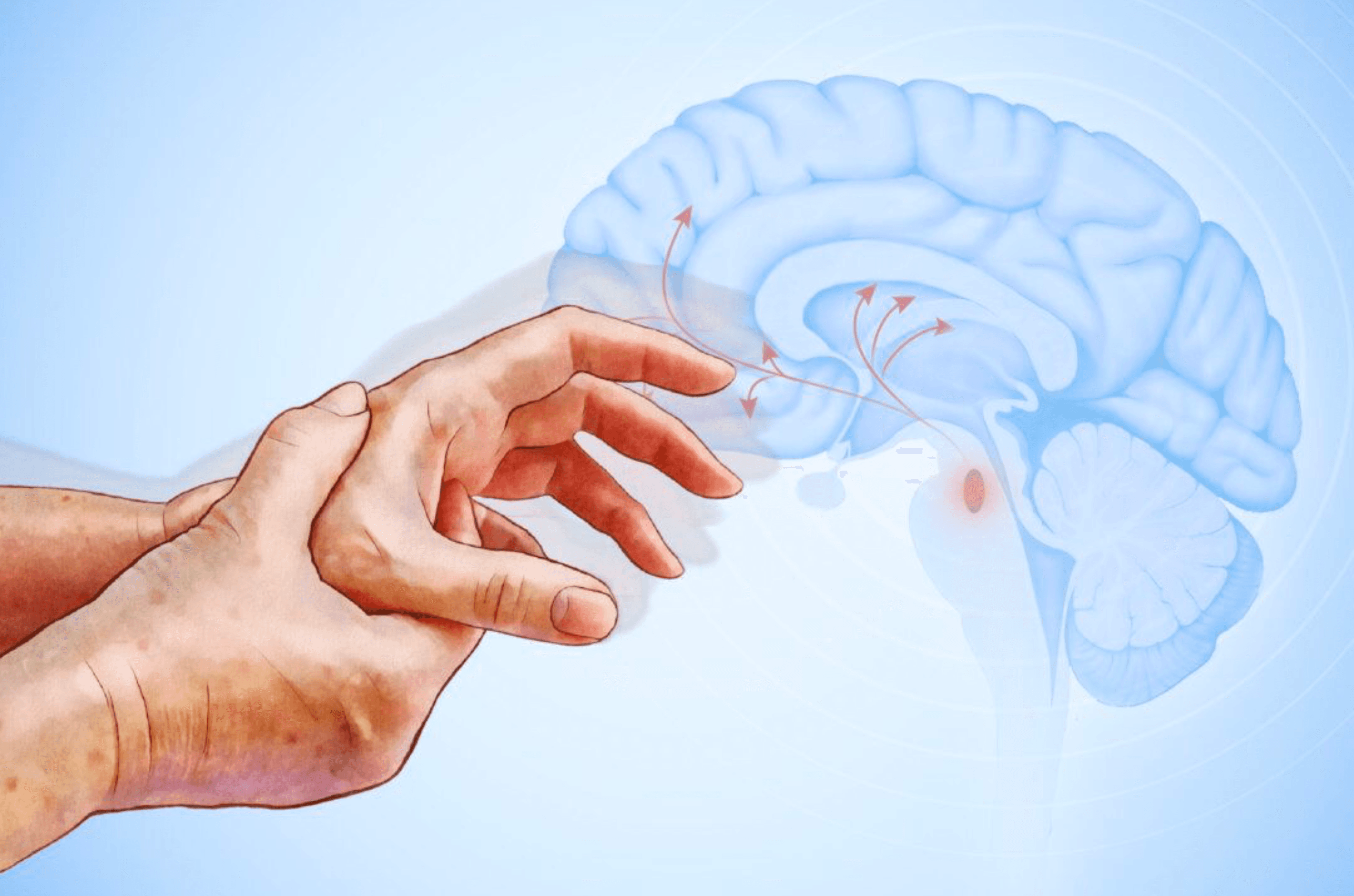
Project Overview
Under Review | Springer
Focus Areas
Healthcare AI · Machine Learning · Deep Learning · Multimodal Learning · Biomedical Signal Analysis · Explainable AI
Conducted a comprehensive research review on machine learning and deep learning approaches for Parkinson’s disease detection using speech, gait, handwriting, wearable sensors, and biomedical signals. Traditional diagnostic procedures are often subjective, expensive, and time-intensive, so the review explored how AI-driven systems enable earlier, non-invasive, and data-driven neurological assessment.

Research Scope
Analyzed and compared traditional machine learning pipelines with modern deep learning architectures for Parkinson’s disease screening, multimodal biomedical analysis, and predictive healthcare intelligence.
Key Contributions
Reviewed machine learning and deep learning frameworks for Parkinson’s disease detection using multimodal biomedical data
Analyzed AI-based diagnostic systems leveraging speech processing, gait analysis, handwriting recognition, wearable sensors, and physiological biomarkers
Compared traditional ML models with CNNs, RNNs, transformers, hybrid architectures, and multimodal fusion systems
Investigated challenges related to interpretability, dataset imbalance, model generalization, and clinical deployment readiness
Explored emerging research trends in explainable AI, multimodal learning, and predictive healthcare systems
Structured findings into a comparative analytical framework highlighting strengths, limitations, and future directions of existing diagnostic approaches

Outcome
The review demonstrates how machine learning and deep learning techniques are transforming Parkinson’s disease detection through non-invasive and data-driven methodologies. It highlights the growing importance of multimodal healthcare AI systems while identifying key challenges related to robustness, interpretability, scalability, and real-world clinical integration.
Tech Stack
Machine Learning · Deep Learning · Healthcare AI · Biomedical Signal Analysis · Multimodal Learning · Explainable AI · Research Analysis · Predictive Healthcare Systems